By Nigel Quinn, CEO Bibby Marine
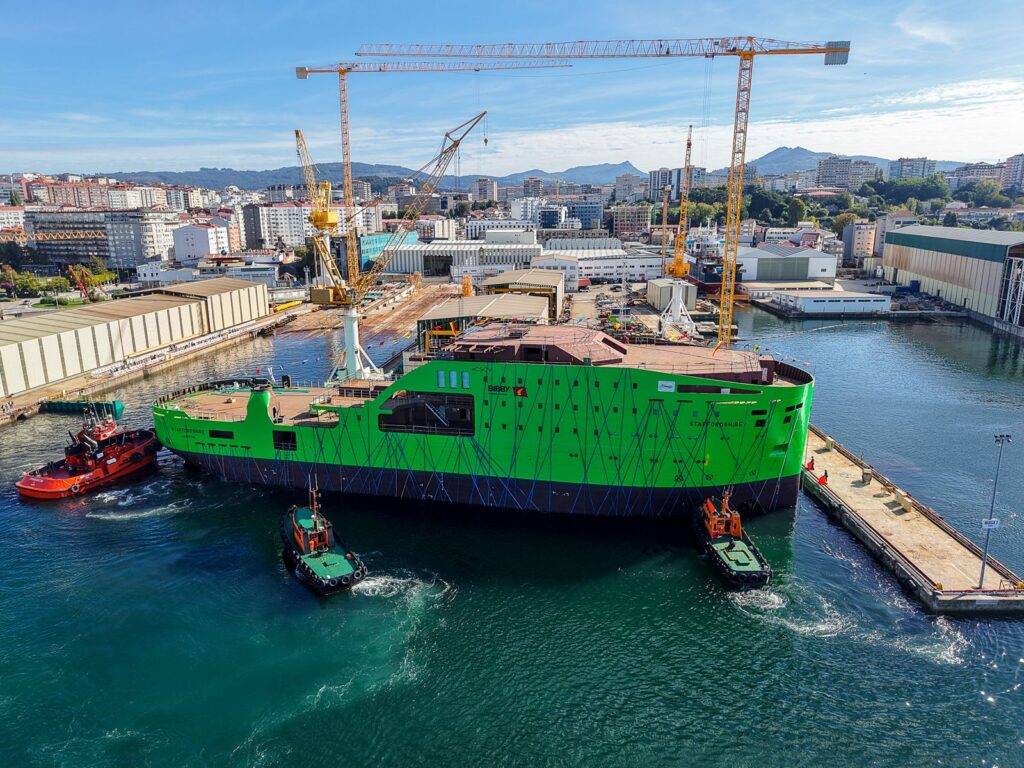
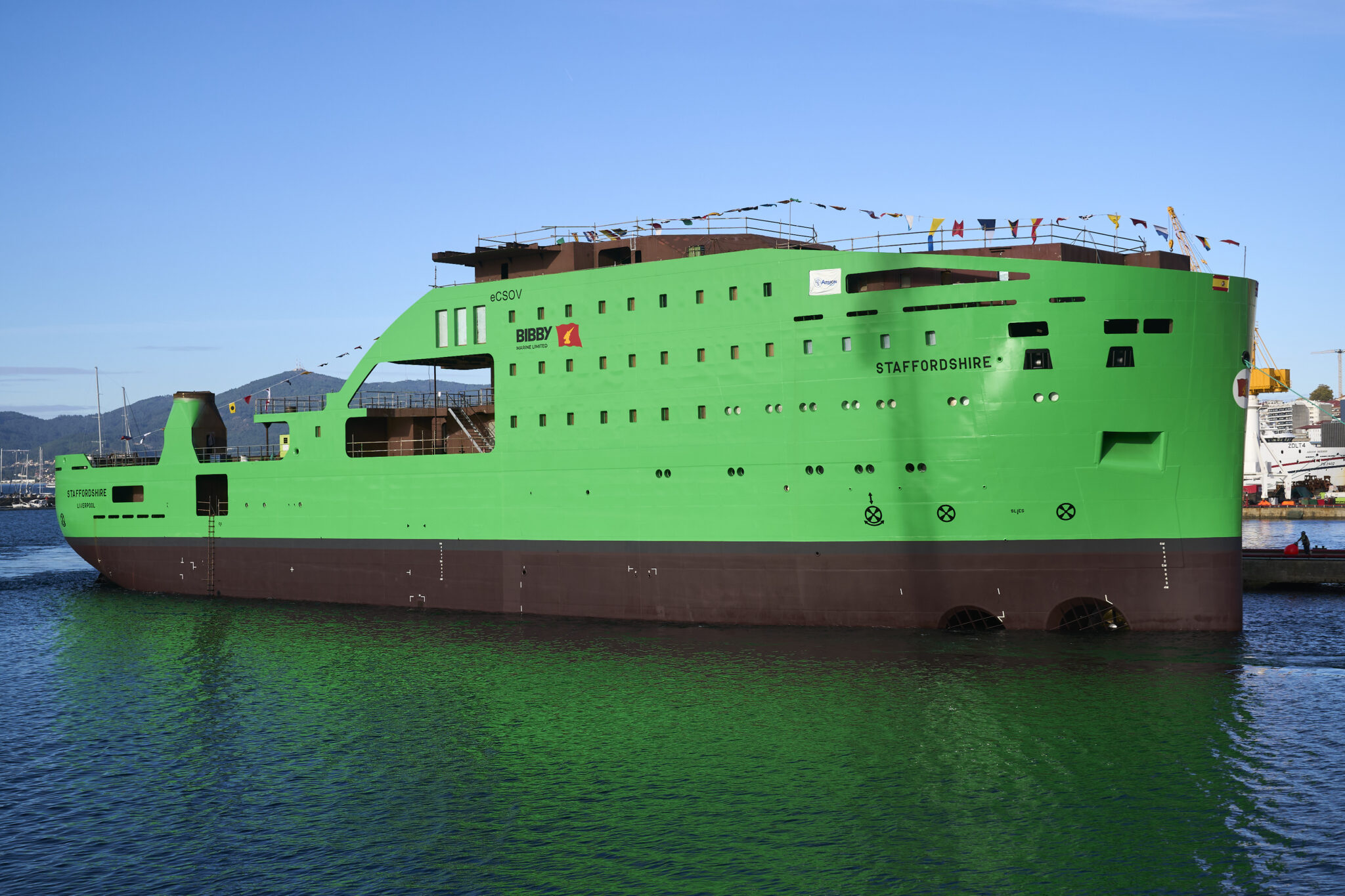
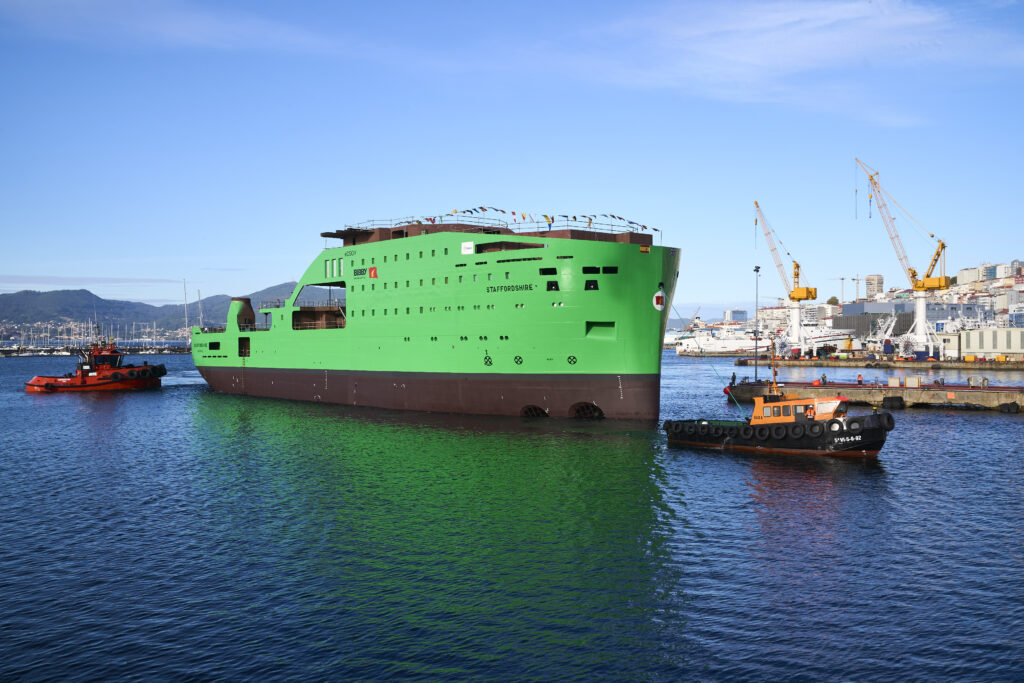
The first ever eCSOV, our ship, Staffordshire, slipped into the water at Armon shipyard in Vigo earlier this month. As the fifth Bibby ship to bear the name Staffordshire, the vessel clearly carries so much more than a name, it carries a legacy.
As I watched her launch, I found myself reflecting on what that name had witnessed over the last 130 years.
Throughout Bibby’s history, its Staffordshire vessels have not only moved through energy transitions, but have also had a habit of being present at pivotal moments.
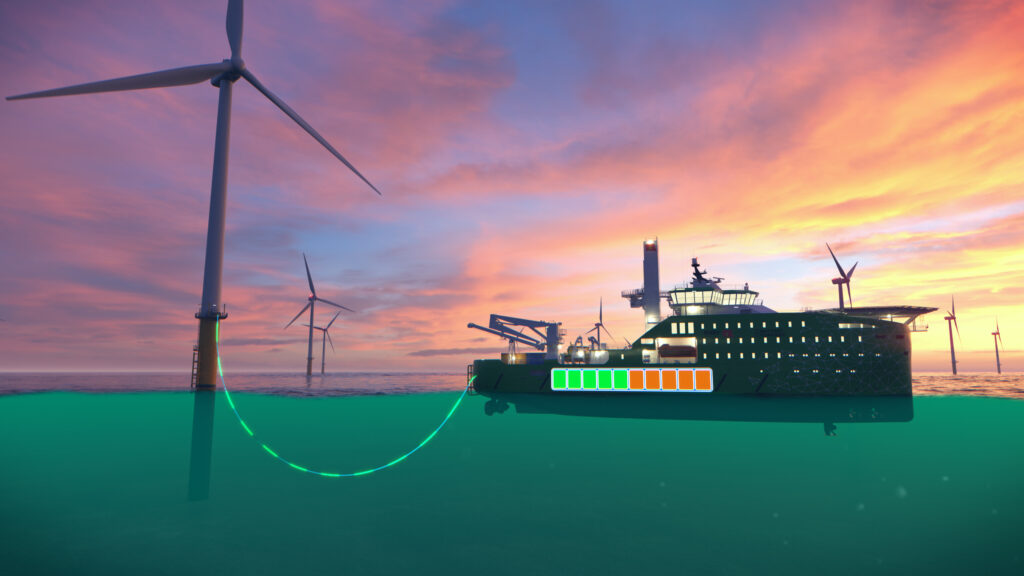
Staffordshires have carried passengers and cargo across the world – powered by coal, then oil and now electricity off the wind turbines. They have supported military operations in times of conflict, they serviced the trade routes from Britain to Burma and Ceylon and they have connected continents through global trade. The name now sits on a vessel designed to help deliver a cleaner energy future.
This is a journey that mirrors Bibby’s own story. Founded in 1807, Bibby Marine remains a family-owned business more than two centuries later. Throughout this time, we have always embraced innovation and adapted to every major shift in maritime technology.
The name Staffordshire tells this story…
1894 – Steam
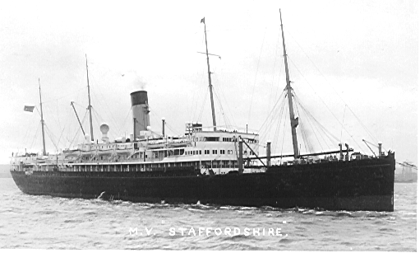
The first Staffordshire entered service in December 1893 and was a passenger and cargo steamship, built by Harland & Wolff in Belfast. This was an age when steam was shrinking the world – nations were becoming more connected through trade and ships like Staffordshire helped carry people and goods across the world.
When the Boer War broke out in 1899, she was one of the Bibby liners, alongside Cheshire and Yorkshire, that carried large consignments of hospital stores and comforts for troops overseas.
1929
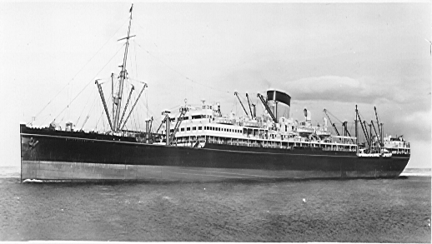
The second Staffordshire launched in 1929 and arrived during another transformative era.
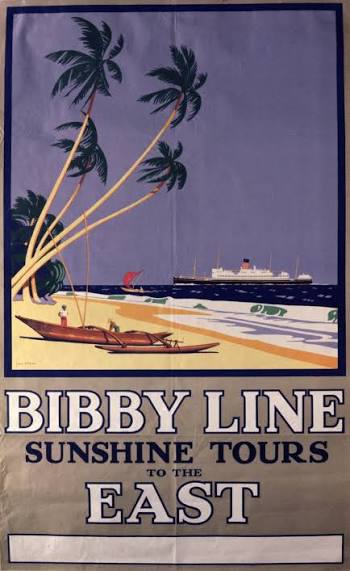
Built for Bibby’s Burma service by Fairfield in Govan, she was part of Bibby’s Rangoon service that connected Liverpool with Asia.
When the Second World War arrived, her role changed dramatically. Like many merchant vessels at that time, Staffordshire served as a troop carrier – helping move servicemen around the world. During this service she survived an attack, was fire damaged, repaired and returned to service.
1964
The third Staffordshire had a shorter chapter in Bibby’s history. She was built on the Tyne in 1950 as Eastern Prince, and Bibby bought her in 1964 and renamed her Staffordshire. Before being broken up in 1971. Bibby received three Queens Awards for Industry and Export Achievement, among the highest official honours awarded to UK businesses for commercial excellence during this period.
1977
The fourth Staffordshire, boasting a capacity of 77,000 cbm, was one the largest liquified petroleum gas carriers in the world at that time, and by far the most expensive vessel in our fleet. Built in 1977, she operated during a period when access to energy was helping transform economies around the world, often carrying cargoes from the Middle East to the US, Europe and Asia.
Present day
Today, the name Staffordshire enters a new era.
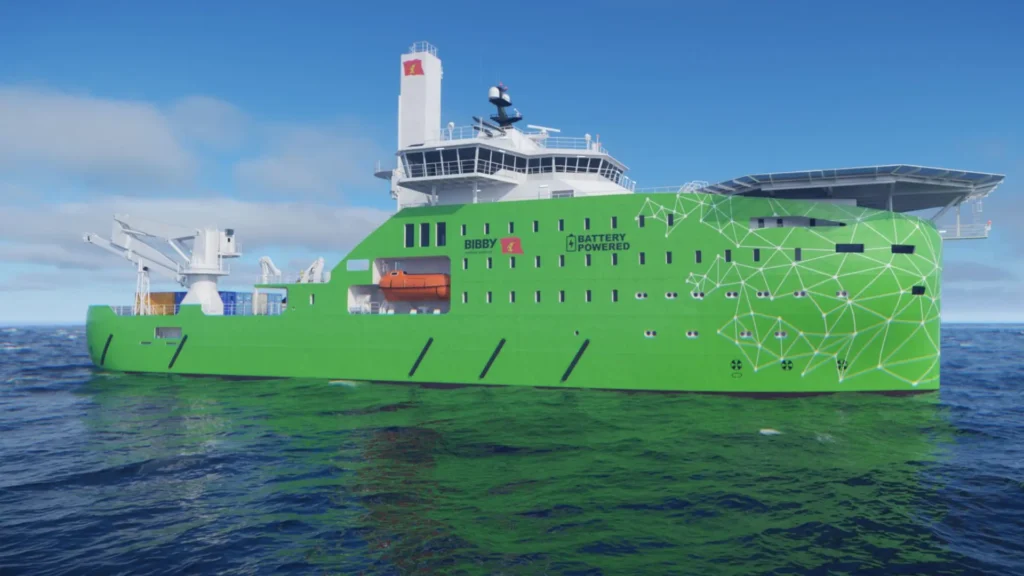
Designed from the ground up, our fifth Staffordshire is built around battery-first propulsion, she represents how innovation, sustainability and business performance, can go hand in hand.
For me, one of the most powerful moments in our journey came at the vessel’s keel laying ceremony. Our Fleet Director, Gavin Forward, sourced a coin from 1807, marking the year John Bibby founded the business. This coin was welded into the keel of our new vessel. A simple and quick act perhaps, but a powerful symbol that represents the connection between the Staffordshire vessel being built today and the people who started this journey more than 200 years ago.
At the launch in Vigo, another piece of that story was present. A member of the Bibby family, Alice Smith, performed the ceremonial rope cutting that sent Staffordshire into the water. Alice celebrated the launch alongside members of the Bibby family. Her mother, then Jennifer Bibby, had launched the previous Staffordshire in France, nearly 50 years earlier.
Its these moments that matter, reminding us that while technology evolves, there are some things that endure – the values, pioneering spirit and long-term thinking – that built this company in 1807 are still guiding us today.
The next chapter
I’m sure that when the first Staffordshire sailed in 1894, no one could have imagined a vessel powered by batteries, let alone one that supports an offshore energy industry.
Yet every generation of Staffordshire has represented progress in some form, embracing the technologies and opportunities of its time.
For more than 130 years, Staffordshire vessels have been present at defining moments in global trade, transport and energy. Today, as offshore energy helps shape the world’s future energy system, the newest vessel to carry the name takes her place in that story.
I’m proud to play a part in the story of Staffordshire and to see the name sail again.