Bibby Marine and partners have published a new position paper highlighting regulatory and commercial barriers to scaling offshore vessel electrification.
A cross-industry coalition including Bibby Marine, offshore wind developers, vessel operators and technology providers, has published a new position paper calling for urgent action to unlock offshore charging and accelerate the decarbonisation of offshore wind operations.
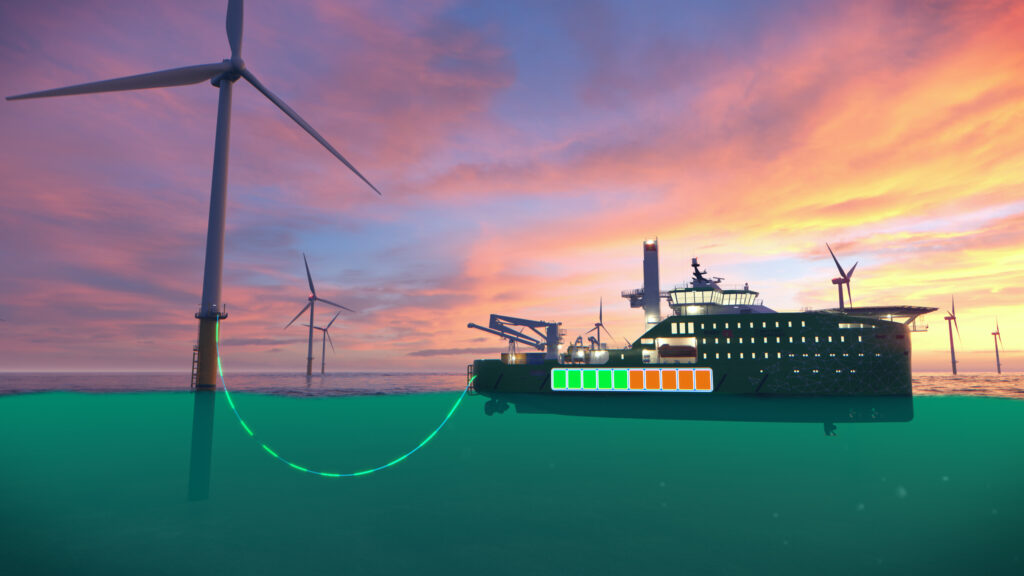
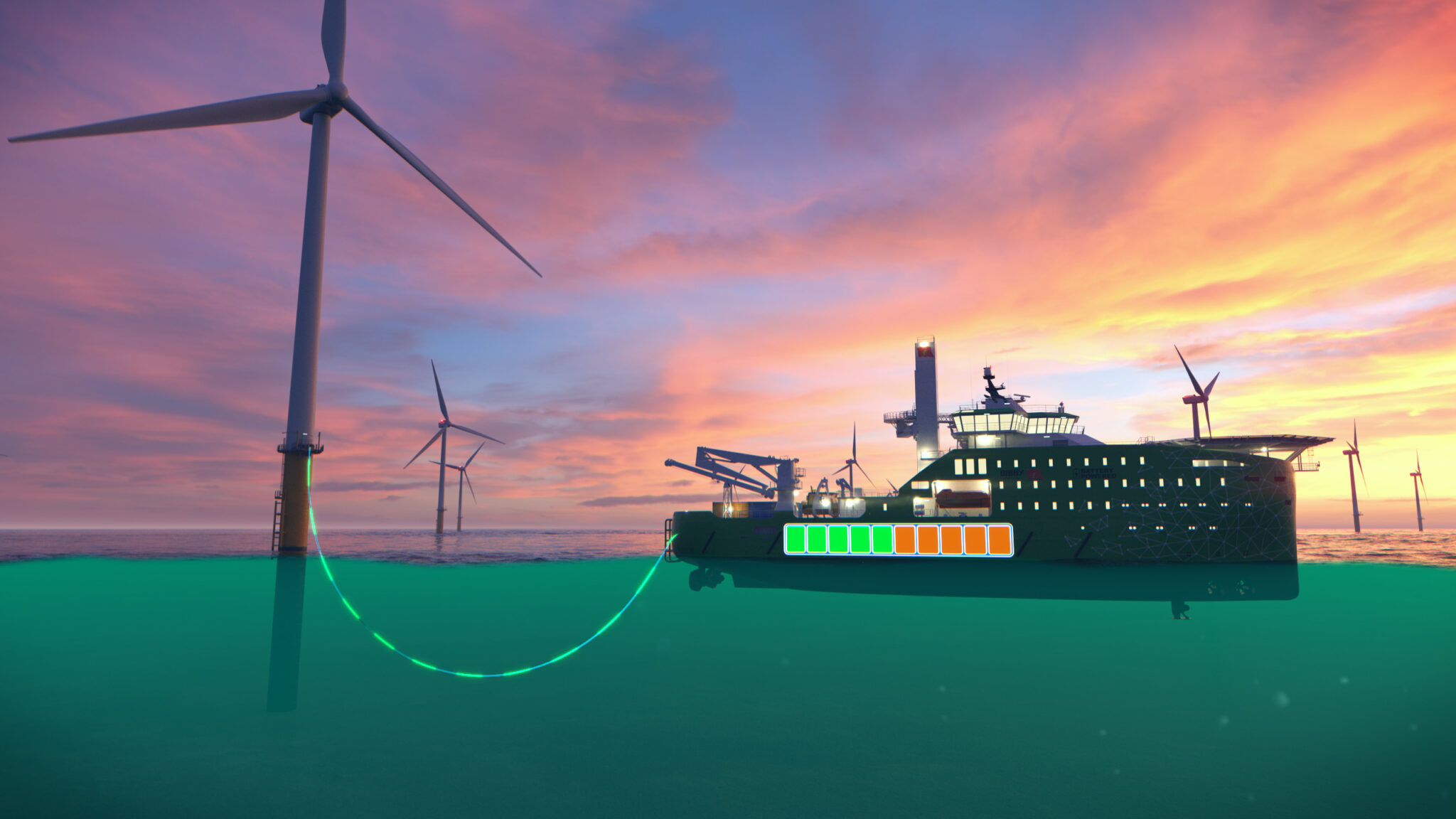
The paper highlights the case for electrification and offshore charging, where vessels draw renewable energy directly from wind farms, as one of the most promising and cost-effective solutions for reducing emissions from offshore support vessels. While the technology has matured significantly in recent years, the report finds that the key barriers to deployment are no longer technical, but rather regulatory, commercial and operational.
The working group has identified the key blockers to offshore charging adoption and has actively engaged with the appropriate stakeholders across The Crown Estate, DESNZ and the LCCC to help develop the policy and commercial frameworks needed to enable deployment at scale.
Vessel operations currently account for a significant proportion of offshore wind lifecycle emissions, making them a critical focus for decarbonisation efforts. Offshore charging offers a viable path to zero-emission operations, while requiring only a minimal proportion of a wind farm’s electricity output.
The paper sets out key recommendations to accelerate commercial adoption:
• Policy alignment: Align Crown Estate, DESNZ and LCCC frameworks into one coordinated offshore charging pathway
• Early stage enablement: Embed offshore charging requirements at leasing and FEED stage before infrastructure decisions are locked in
• Clear access to power: Confirm offshore generated electricity can be used for vessel charging and operational activities
• Pricing neutrality: Introduce a fair, neutral pricing model for offshore charging that avoids commercial uncertainty
Gavin Forward, New Build Fleet Director at Bibby Marine, said: “The technology to enable offshore charging is already available. The challenge is creating the right regulatory and commercial environment to bring it into widespread use. By addressing these barriers, we can unlock a practical and scalable route to decarbonising offshore wind operations.”
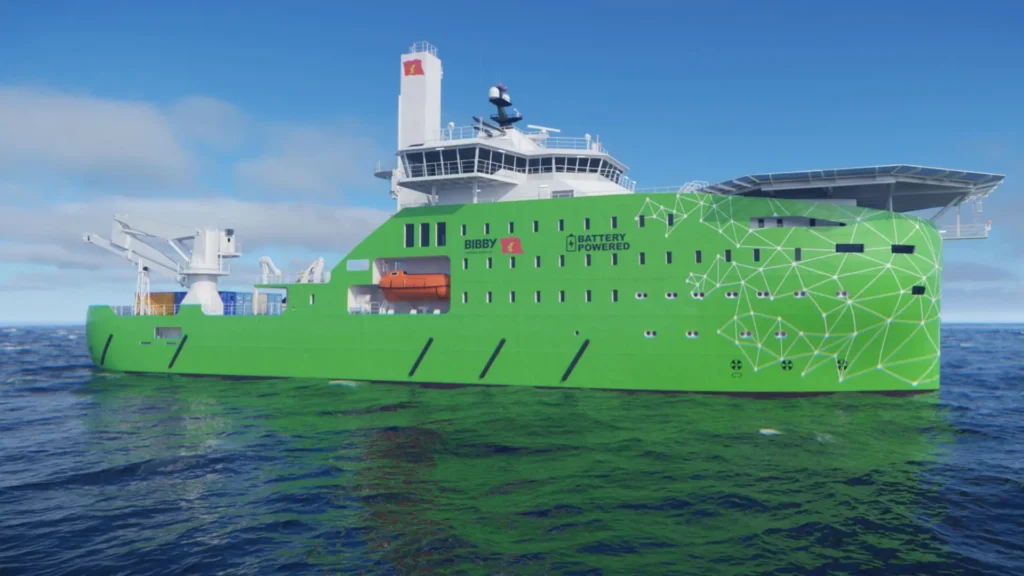
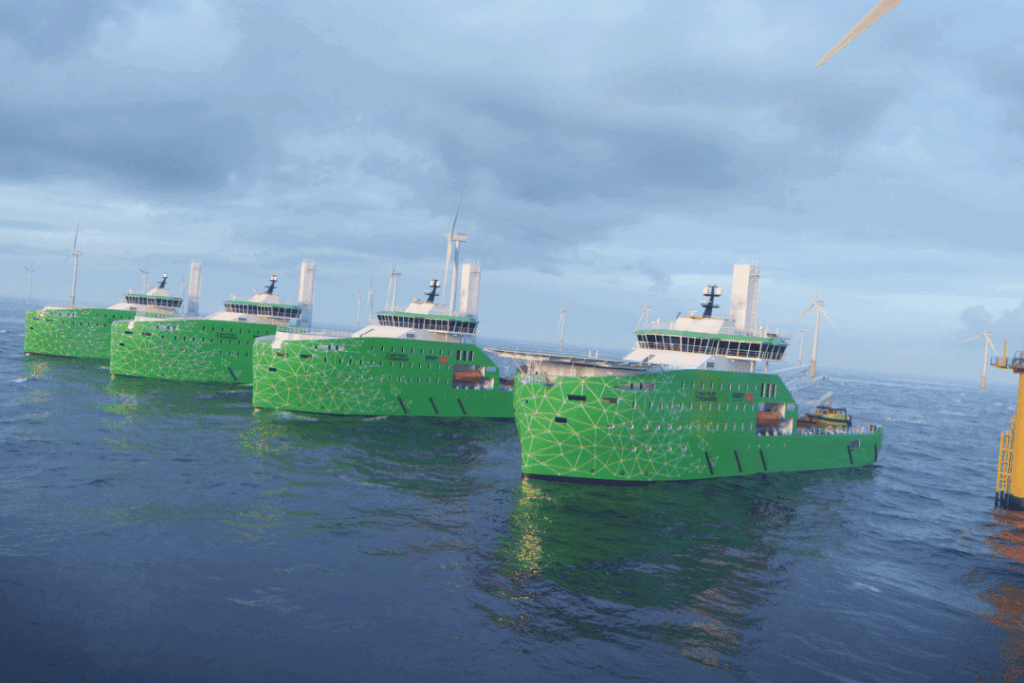
Bibby Marine is playing a leading role in this transition through its development of the world’s first electric Commissioning Service Operation Vessel (eCSOV), reinforcing its commitment to driving innovation and delivering sustainable solutions for the offshore wind sector.
The position paper has been developed collaboratively by organisations across the offshore wind value chain, demonstrating strong industry alignment on the need to move from demonstration to deployment.
The industry is now urging policymakers, developers and stakeholders to act on the recommendations to ensure offshore charging can play a central role in achieving net zero targets.
At Bibby Marine, we are working closely with stakeholders across the industry to demonstrate the clear benefits of offshore charging, not only from a decarbonisation perspective, but also through operational improvements and long term commercial value.
Our analysis continues to show that over a typical 10-year offshore wind contract, an electric SOV can be significantly cheaper to operate than an equivalent diesel vessel, while also providing greater long term energy price stability and reduced exposure to volatile global fuel markets. In today’s increasingly uncertain energy landscape, that security and predictability is becoming just as important as emissions reduction.
Download the full position paper here
Previous papers from the working group are available here –
Offshore Charging – An Industry Approach – Preliminary Ask to Crown Estate
Offshore Charging – An Industry Approach – Preliminary ask to DESNZ and LCCC