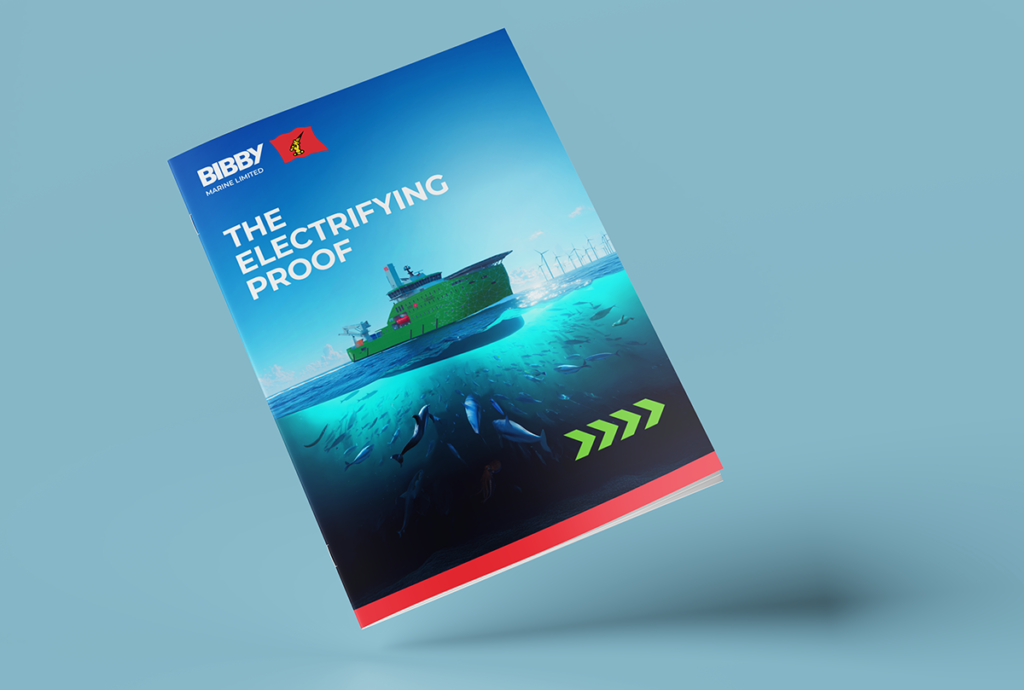
This blog is part of a series unpacking our new whitepaper, The Electrifying Proof , which sets out the commercial case for electrifying Commissioning Service Operation Vessels. Here, we look at day rates and address a common assumption in the market: that going electric must mean paying a premium.
Myth Two: Decarbonising vessel operations must come at a higher cost.
Our analysis shows the opposite. Electrifying the Commissioning Service Operation Vessel (CSOV) asset class offers a practical pathway to lower-cost zero-emission operations and maintenance in offshore wind. Combining battery systems with dual fuel generators in an electric propulsion system provides immediate operational flexibility and cost reductions from day one. Electrification is not simply a decarbonisation strategy, it’s also an operating cost reduction strategy.
That matters because alternative fuel pathways remain immature and uncertain for deployment across the offshore wind service vessel fleet. By contrast, electrification is available and deployable today. Battery-powered vessels also bring wider system benefits, including quieter operation, with underwater radiated noise reductions of 40-60% compared with conventional vessels.
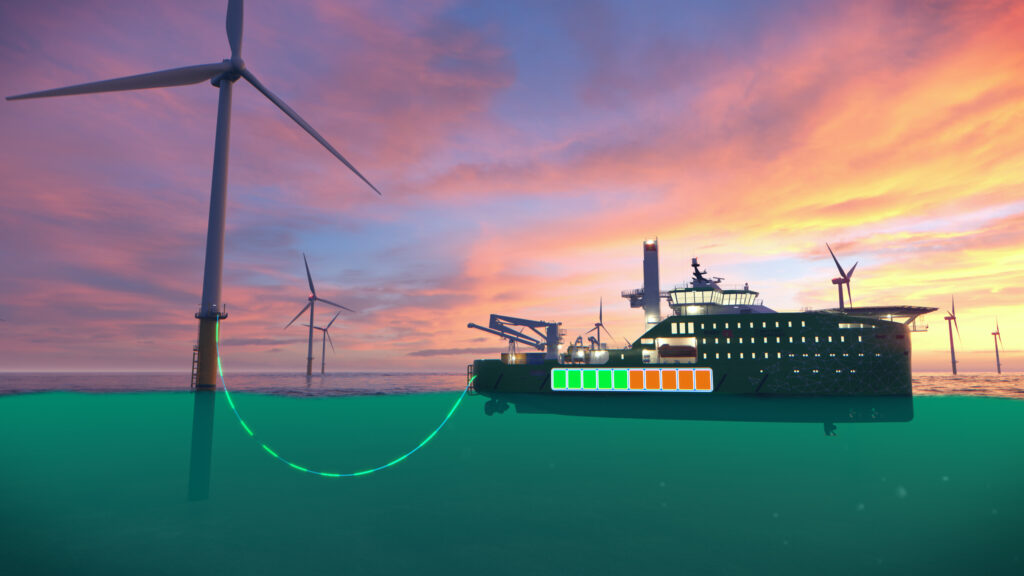
The commercial case is strengthened further by the fact that electricity is the fastest-to-scale non-carbon energy source available to operators. With the right charging infrastructure during wind farm construction, electric vessels can recharge offshore, removing range constraints and providing service capabilities to match conventional CSOVs. That means electrification does not require a compromise on operational performance to deliver lower emissions and lower costs.
For charterers, the savings case becomes especially compelling over time. Bibby Marine’s modelling shows that switching to an electric-Commissioning Service Operation Vessel (eCSOV) could deliver operational savings of nearly USD 1.8 million per year by 2035 through replacing fuel costs with electricity costs and reducing or eliminating carbon taxes. Where electricity that would otherwise have been curtailed is used to charge vessel batteries, energy costs can be optimised even further.
This is particularly relevant as offshore wind continues to scale. The North Sea already hosts around 120 wind farms totalling approximately 45GW of capacity and that figure is expected to grow substantially in the coming decade. Electrifying the service fleet that supports this expansion can help avoid a significant increase in sector emissions, while also helping stabilise budgeting for operators as offshore wind capacity grows.
There are no fundamental technological barriers to electrifying offshore wind service vessels, either onboard or through offshore charging. The technology is now aligned with the operational requirements of vessels in this sector. The challenge is no longer whether electrification can work, but how quickly the supporting infrastructure and regulatory frameworks can be put in place to unlock the full value of zero-emission operations.
That is why electrification is not a future ambition, but a practical route to lower-cost offshore wind operations, available now and capable of delivering even greater savings as charging infrastructure develops. For a sector under pressure to manage cost and GHG emissions, this combination is becoming increasingly compelling.
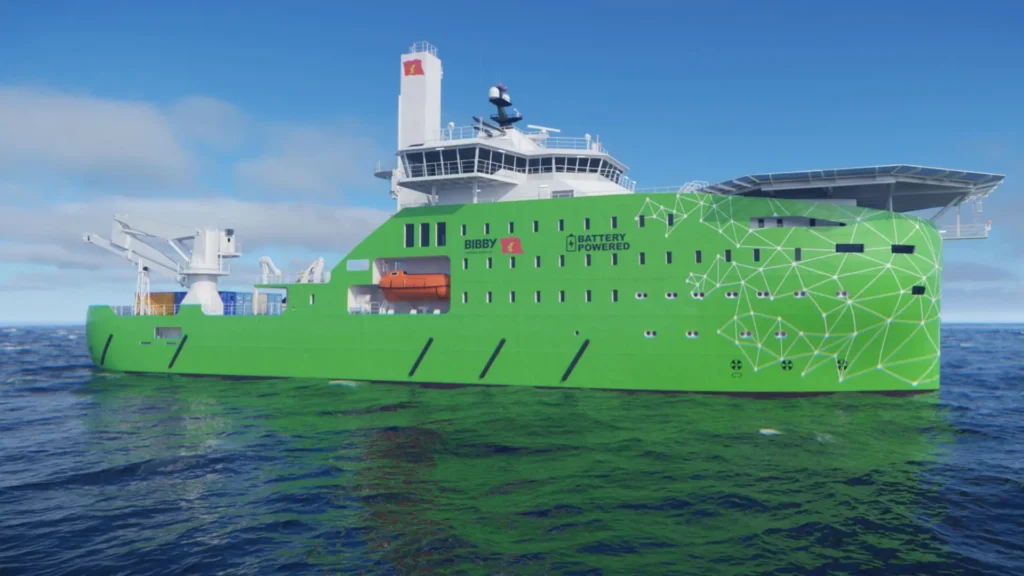
Bibby Marine’s first eCSOV, a plug-in electric hybrid currently under construction at Armon Shipyard in Vigo, Spain, will be commissioned in 2027 and will offer operators immediate savings over conventional vessels.
Bibby Marine has drawn together technology partners including Kongsberg, Corvus Energy and Stillstrom and laid the keel of its hybrid-electric eCSOV at the Armon shipyard in Vigo, Spain in 2025. The business expects to commission the new vessel in mid-2027. CSOVs are a crucial vessel class for offshore wind and will be tax liable for their carbon emissions under the EU’s emissions trading system and its FuelEU Maritime carbon intensity standards. Driving this vessel class to electrification will be an important step towards lowering costs and supporting offshore wind’s decarbonisation mission.
Bibby Marine’s whitepaper, The Electrifying Proof, is available to download here.
E-Mission Zero – A mission to decarbonise offshore wind
To learn more about Bibby Marine’s clean energy vision and its zero-emission eCSOV project, visit: E-Mission Zero