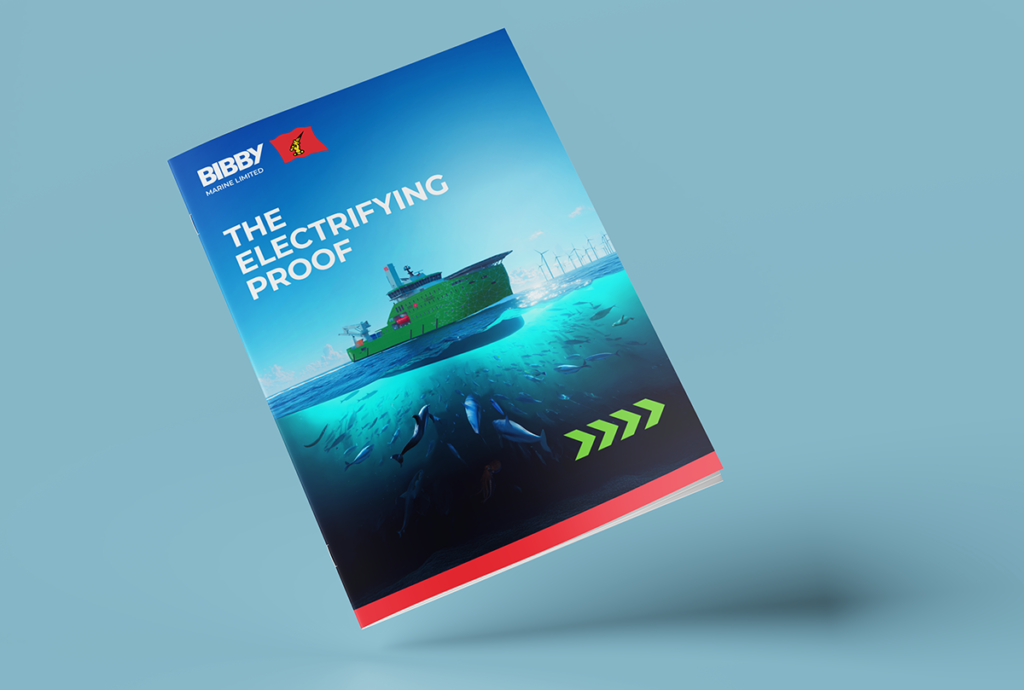
This blog is part of a series unpacking our new whitepaper, The Electrifying Proof, which sets out the commercial case for electrifying Commissioning Service Operation Vessels. In this post, we look at carbon tax and address a common assumption in the market.
Myth: Carbon costs are a future issue, not a vessel decision for today.
Carbon costs are rapidly becoming part of the commercial reality for offshore wind vessel operations. As regulation on carbon emissions from large vessels operating in UK and European waters tightens, vessel operators and charterers will need to consider not only fuel use and day rates, but also the emissions produced by main and auxiliary engines in the total cost of running a vessel.
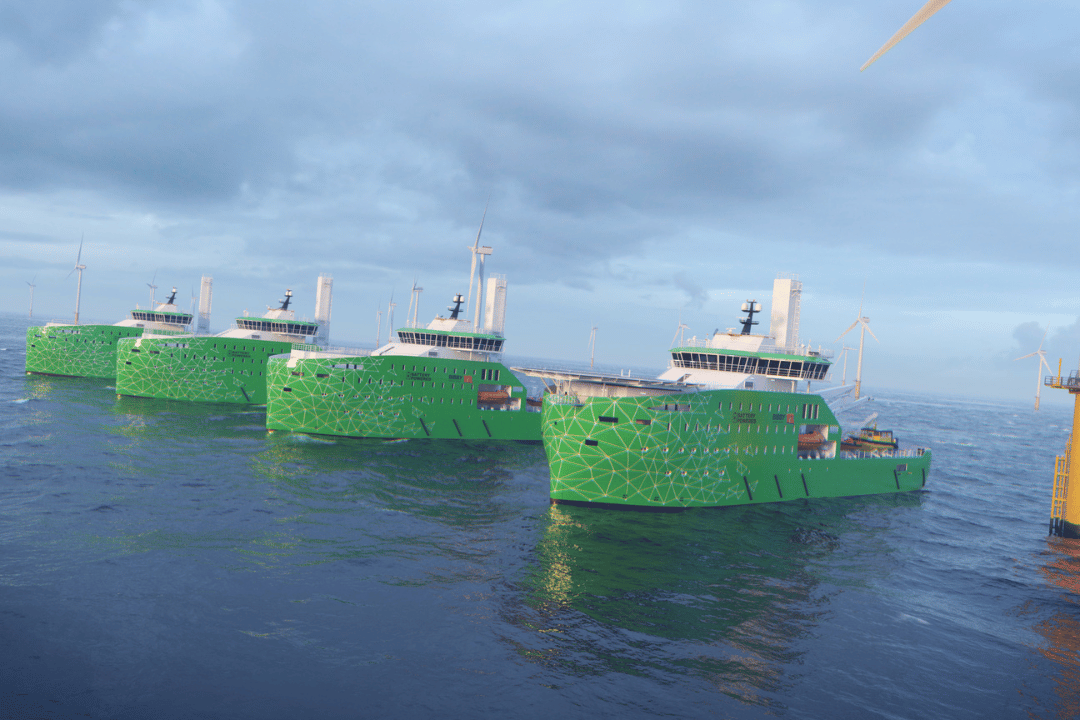
From January 2027, offshore support vessels above 5,000 GT, including the CSOV class, will come under emissions trading systems in the UK and EU. FuelEU Maritime, which regulates the carbon intensity of fuels used in voyages to and from EU ports will also add pressure on owners and operators to make decisions about the fuels they use. These rules are not simply a reporting requirement. They fundamentally change the economics of fuel use, reducing the long-term economic appeal of conventional vessel operations.
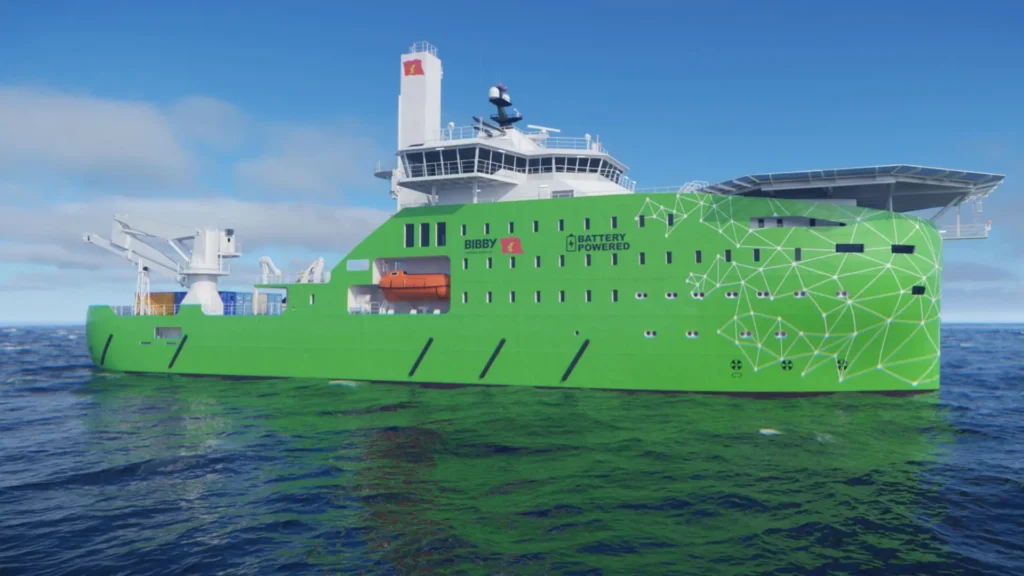
Hybrid-electric vessels create a practical advantage for operators by reducing fuel consumption from day one. Bibby Marine’s eCSOV is designed to lower emissions and, in turn, reduce exposure to carbon-related costs. In hybrid mode, the vessel can deliver operating cost savings of up to 40% compared with similar conventionally fuelled vessels. Those savings are driven by lower fuel use, more efficient energy management and lower exposure to emissions’ costs.
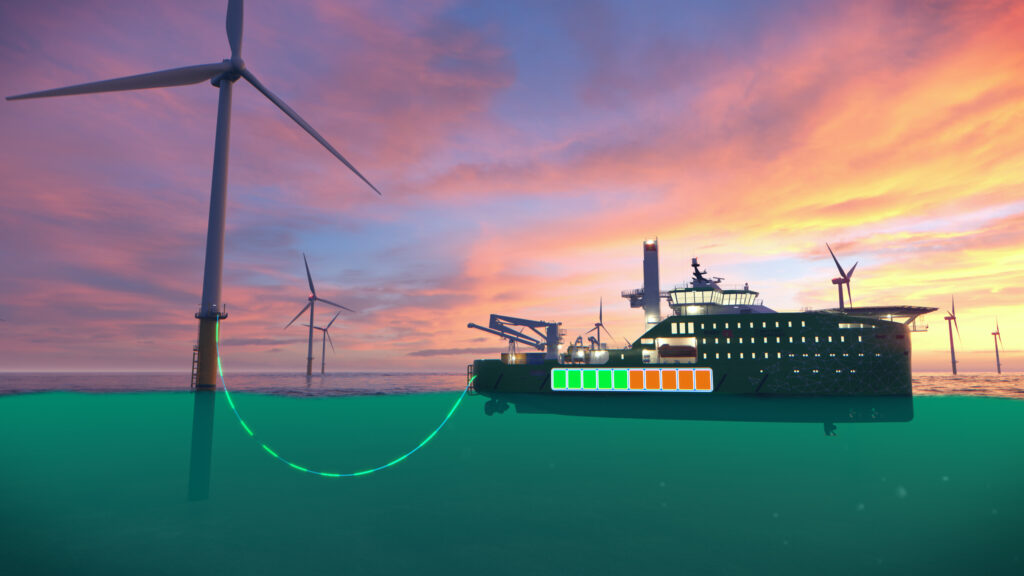
Where offshore charging exists, the carbon-cost case becomes stronger still. When operating fully electric in-field, an eCSOV eliminates the costs of fuel and related direct emissions costs from its operations entirely. This creates a route to further savings, with operating cost reductions reaching 70% when offshore charging is available.
These savings matter because offshore wind projects are planned over long timeframes. A vessel entering service today will operate in a market where emissions regulation, carbon pricing and fuel-cost volatility are likely to become more important, not less. Conventional vessels remain exposed to those changes. Electrified vessels give owners and charterers a way to reduce that exposure and build greater predictability into offshore operations budgets.
Compliance can deliver competitiveness. As developers look to reduce the lifetime cost and carbon footprint of offshore wind, vessel emissions will come under greater scrutiny. An eCSOV that can cut fuel use immediately, reduce carbon-costs and transition towards zero-emission in-field operations gives charterers a more resilient and predictable model operations.
Carbon costs are not a far-off policy issue and should not be seen as such. They are part of the commercial case for changing how offshore wind vessels are powered today. Electrification is a compelling commercial choice for the industry, that offers to permanently lower operating costs while also supporting decarbonisation and the energy transition.
Bibby Marine’s first eCSOV, a plug-in electric hybrid currently under construction at Armon Shipyard in Vigo, Spain, will be commissioned in 2027 and will offer operators immediate operational savings over conventional vessels.
Bibby Marine has drawn together technology partners including Kongsberg, Corvus Energy and Stillstrom and laid the keel of its hybrid-electric eCSOV at the Armon shipyard in Vigo, Spain in 2025. The business expects to commission the new vessel in mid-2027. CSOVs are a crucial vessel class for offshore wind and will be tax liable for their carbon emissions under the EU’s emissions trading system and its FuelEU Maritime carbon intensity standards. Driving this vessel class to electrification will be an important step towards lowering costs and supporting offshore wind’s decarbonisation mission.
Bibby Marine’s whitepaper, The Electrifying Proof, is available to download here.
E-Mission Zero – A mission to decarbonise offshore wind
To learn more about Bibby Marine’s clean energy vision and its zero-emission eCSOV project, visit: E-Mission Zero