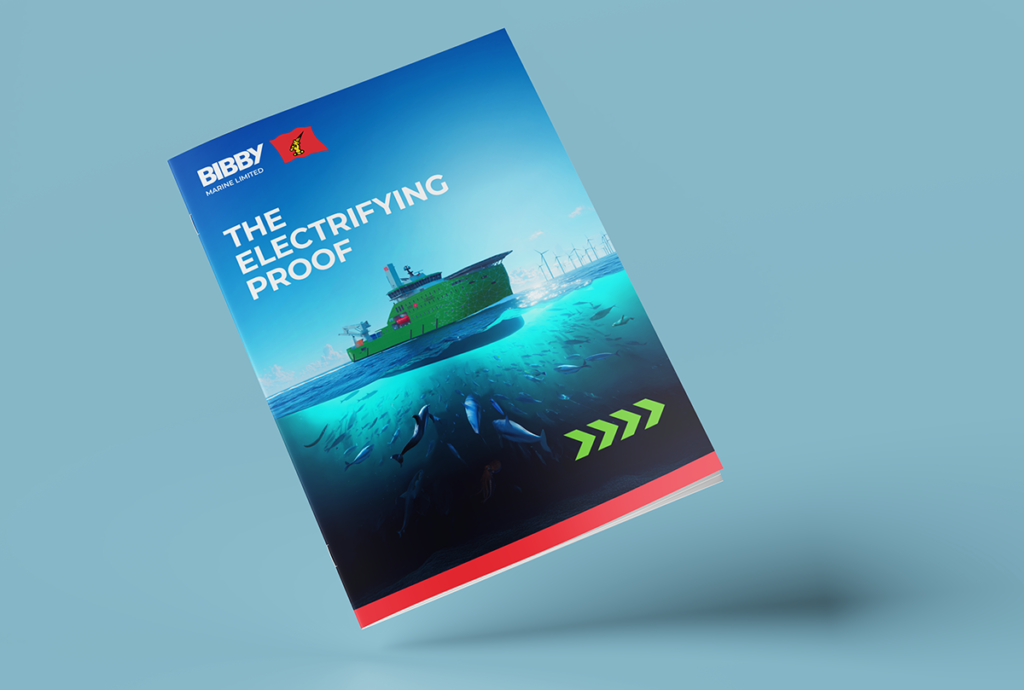
This blog is part of a series unpacking our new whitepaper, The Electrifying Proof , which sets out the commercial case for electrifying Commissioning Service Operation Vessels. Here, we look at day rates and address a common assumption in the market: that going electric must mean paying a premium.
The charter price is shaped by the market giving consideration to many more factors than the powertrain. Day rates move with supply and demand, seasonal peaks, project timing and financing cycles. Operators cannot control those macro swings at the point of hire. What they can control is their exposure to operating costs once the vessel is on contract. A battery-first, hybrid-electric eCSOV changes the equation – you do not need to pay a premium to decarbonise CSOV operations. This is the core message of our day rate analysis in the whitepaper.
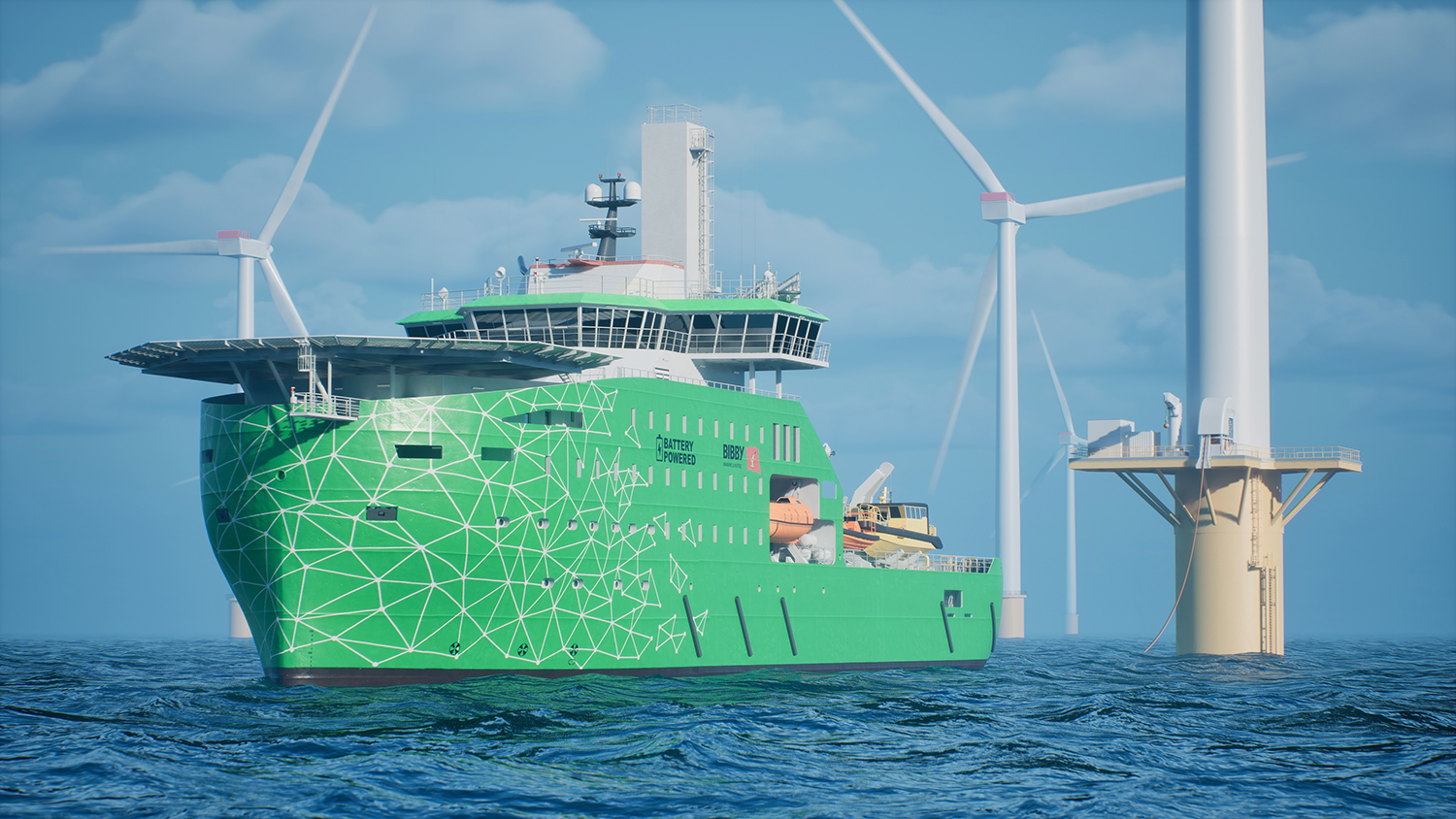
Battery prices have fallen more than 30% in the past two years, with battery energy density simultaneously increasing by 15%. Hybrid architectures have also matured substantially. As a result, the build costs of next-generation hybrids are rapidly converging with conventional tonnage. Our view is straightforward: when the first Bibby hybrid-electric Commissioning Service Operation Vessel (eCSOV) enters service, it will be competitive on charter rate, while also delivering immediate OPEX savings through lower fuel use and reduced carbon-cost exposure. The vessel is designed to do the same job profile as today’s CSOVs – transfers, station keeping and accommodation – but with a power philosophy that shifts energy demand away from volatile fuel and carbon and toward stable electricity.
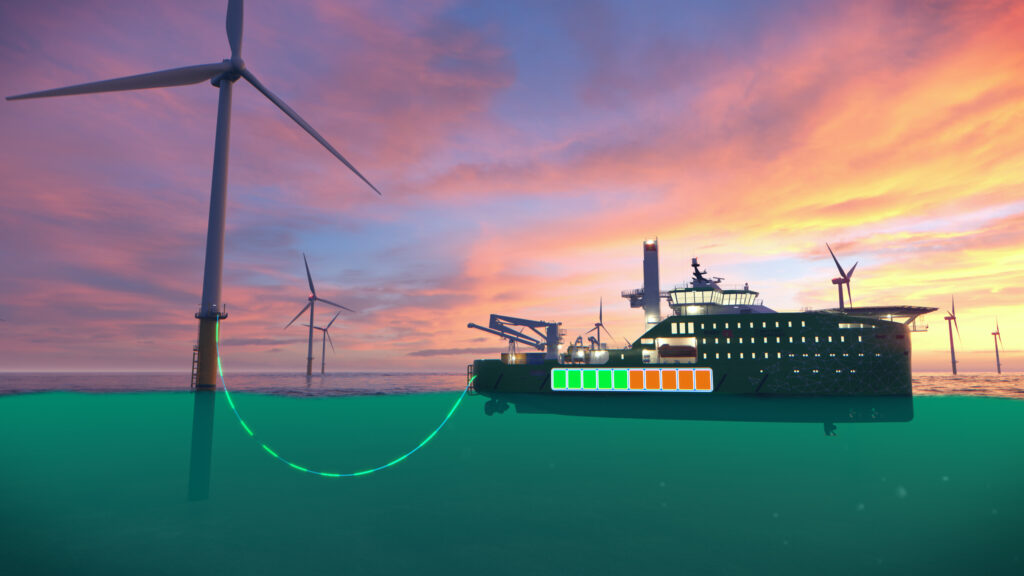
That shift underpins charter competitiveness in two ways. First, hybrid operation optimises engine loading to charge large battery packs that power main propulsion during operations when shore or offshore charging is not available. The result is lower fuel burn from day one, which reduces the cost base beneath the day rate, supporting competitive pricing. Second, electrification reduces exposure to carbon costs in European waters as regulation tightens. Fewer emissions mean fewer allowances, and a more predictable cost line over the life of the project.
Beyond cost control, electrification also brings operational and environmental benefits. Battery-first propulsion reduces local emissions and can lower underwater noise and vibration, while also improving onboard comfort for technicians. Essentially, an eCSOV can be competitive on charter rate at entry while reducing the operating exposure that sits beneath the day rate.
A common question is whether charterers are paying now for future infrastructure. The answer is no. The eCSOV is designed to be cost competitive in hybrid mode today, using shore power where available and generator-to-battery charging where it is not. As offshore charging rolls out, the same vessel can move to zero-emission in-field operations, pushing operating costs down again.
There will always be market moments when tight CSOV supply pushes day rates higher across the board. Electrification does not remove market cycles. What it does is give owners and charterers more control over the cost stack beneath the rate. By stabilising the largest variable inputs, fuel and carbon, a hybrid-electric CSOV can be priced to the market from day one and help deliver a lower, more predictable cost of service over the life of the charter.
The combination of converging build costs, lower operating exposure, and operational and environmental benefits such as reduced emissions, noise, and vibration makes an eCSOV a commercially credible choice at entry, with a clear path to even greater savings as charging infrastructure scales.
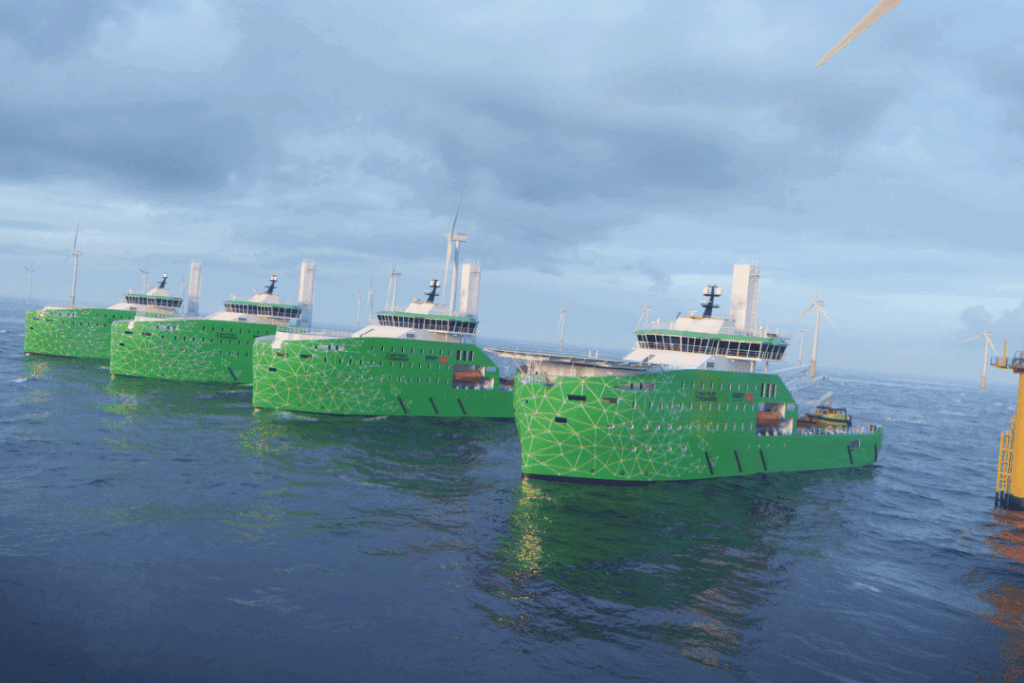
Bibby Marine has drawn together technology partners including Kongsberg, Corvus Energy and Stillstrom and laid the keel of its hybrid-electric eCSOV at the Armon shipyard in Vigo, Spain in 2025. The business expects to commission the new vessel in mid-2027. CSOVs are a crucial vessel class for offshore wind and will be tax liable for their carbon emissions under the EU’s emissions trading system and its FuelEU Maritime carbon intensity standards. Driving this vessel class to electrification will be an important step towards lowering costs and supporting offshore wind’s decarbonisation mission.
Bibby Marine’s whitepaper, The Electrifying Proof, is available to download here.
E-Mission Zero – A mission to decarbonise offshore wind
To learn more about Bibby Marine’s clean energy vision and its zero-emission eCSOV project, visit: E-Mission Zero